01. Defining the Quantity Delta When the scope of work stays constant but the yield shifts
In property restoration estimating, few revisions trigger faster desk audit inquiries than a line item whose description remains completely unaltered while its billed unit total expands or contracts. When an estimator preserves the original Xactimate selector code—such as half-inch gypsum hanging, linear baseboard replacement, or elastomeric underlayment—file examiners scrutinize whether the revision stems from genuine installation geometries or simply an unsubstantiated inflation of field scrap.
Case RR-104 exemplifies this exact operational tension. The physical perimeter of the damaged living space did not change, nor did the restoration contractor introduce higher-specification trim profiles. Instead, the net surface area remained identical while the total line yield increased by fourteen percent once vaulted sheet layout geometries and manufacturer-mandated cut-off waste factors were accurately calculated.
Download Scope Clarification Format
Ensure all line changes conform with standard desk review protocols.
02. Root Factors in Constant-Item Revisions Distinguishing scrap percentages from perimeter dimension errors
Unit quantities shift on stable line items for distinct physical reasons. Estimators frequently confront geometric scrap increments, manufacturer package minimums, or continuous surface continuity boundaries. When an estimate modifier revises a total without changing the work item, estimators must attach explicit calculation notes. Documenting this mechanical logic ensures reviewers recognize that the revision addresses true material procurement demands rather than duplicate labor charges.
-
1
Geometric Sheet Cuts: Vaulted drops and raked walls require cutting full drywall sheets diagonally, generating waste rates well above default software baselines.
-
2
Trim Transition Boundaries: Milled baseboard and crown moldings cannot stop mid-wall without visible scarf joints, necessitating full continuous stick lengths.
-
3
Packaging Minimum Bundles: Specialty acoustic isolation rolls and moisture-barrier underlayments must be purchased in fixed increments exceeding net surface coverage.
-
4
Fastener and Overlap Yields: Multi-ply waterproofing assemblies require standardized seam overlaps that mathematically inflate total required yardage.
“An auditor accepts an identical line item with increased quantity only when the mathematical formula proves why raw material order sizes surpass physical room dimensions.”
03. Standardizing Justification Notes Preventing carrier supplement rejections through clear calculation trails
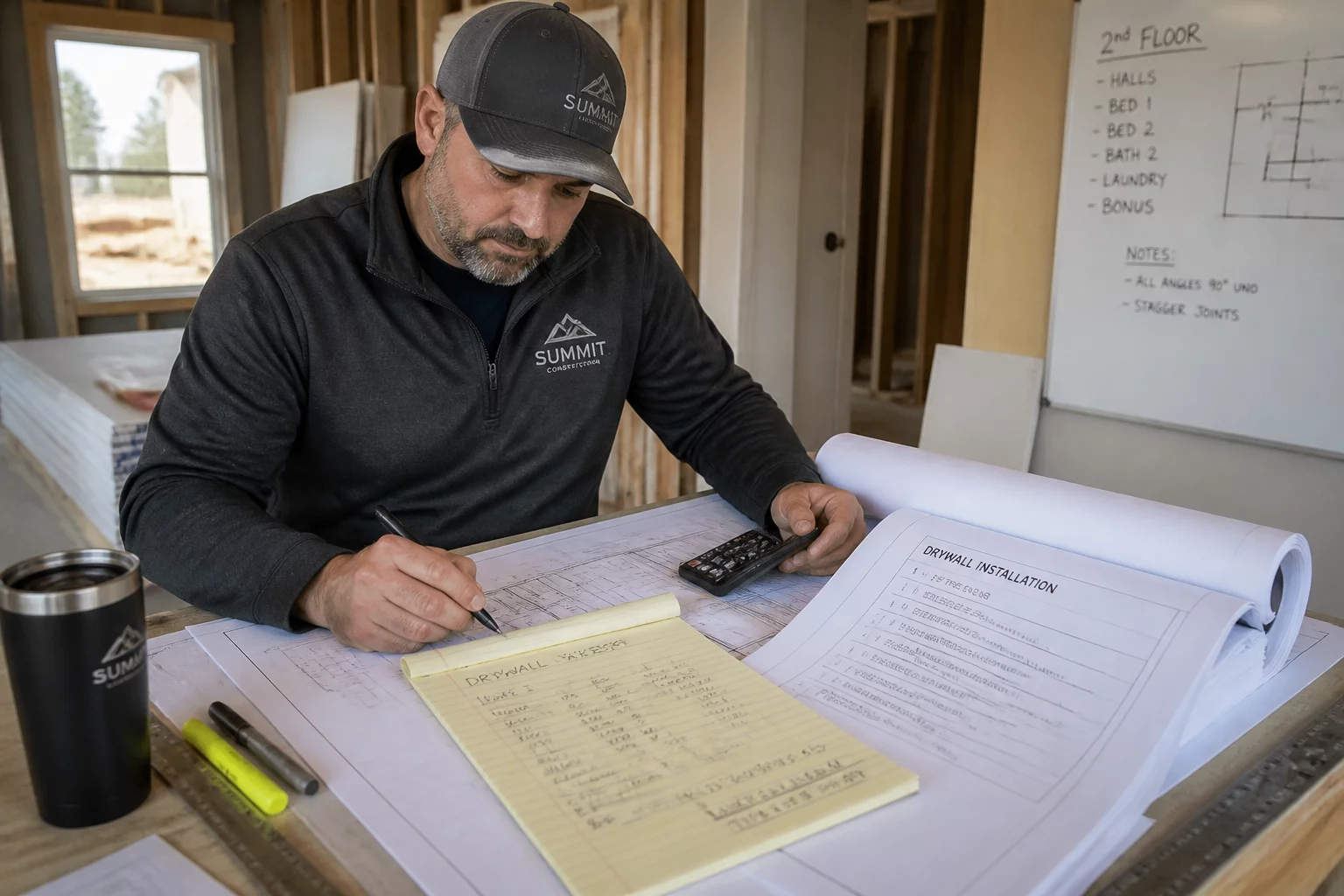
To clear automated insurer review filters, every quantity revision on an existing line item must carry an attached calculation trail. Generic explanations like 'increased per jobsite needs' trigger instant automated rejections. By contrast, documenting 'Quantity updated from 420 SF to 475 SF to accommodate 13% layout scrap across 12-foot raked ceiling drops' provides immediate numerical justification that reviewers can confirm without issuing file inquiries.
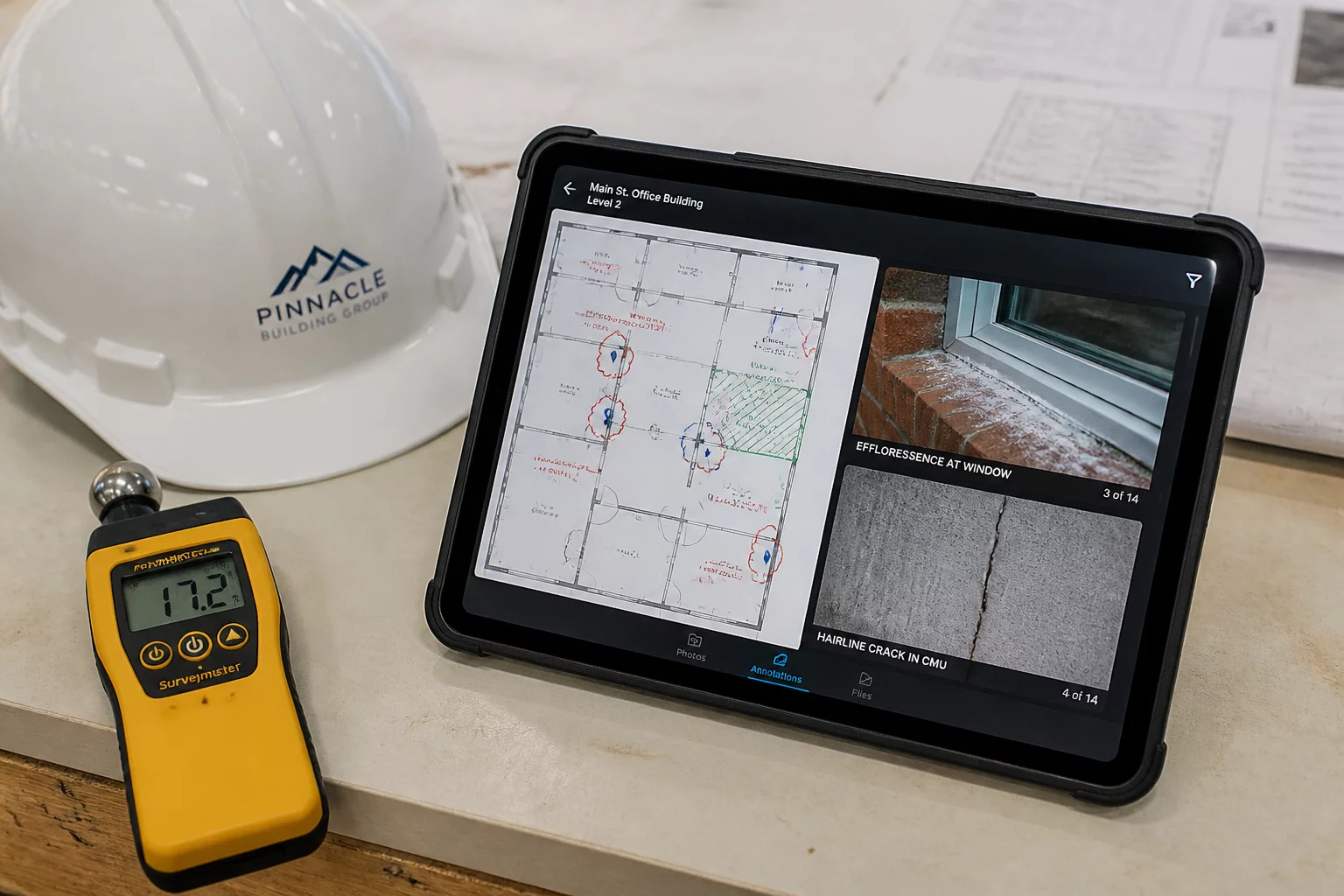
When closing out Case RR-104, the contractor succeeded by submitting annotated floor plan layouts paired with manufacturer cut sheets. Because the original line item selector remained intact, reviewers recognized that the contractor did not attempt to alter the agreed scope grade, allowing rapid settlement approval without redundant reinspections.