01. The Discovery Triggering Cascade Revisions When Surface Drywall Demolition Reveals Concealed Membrane Rupture
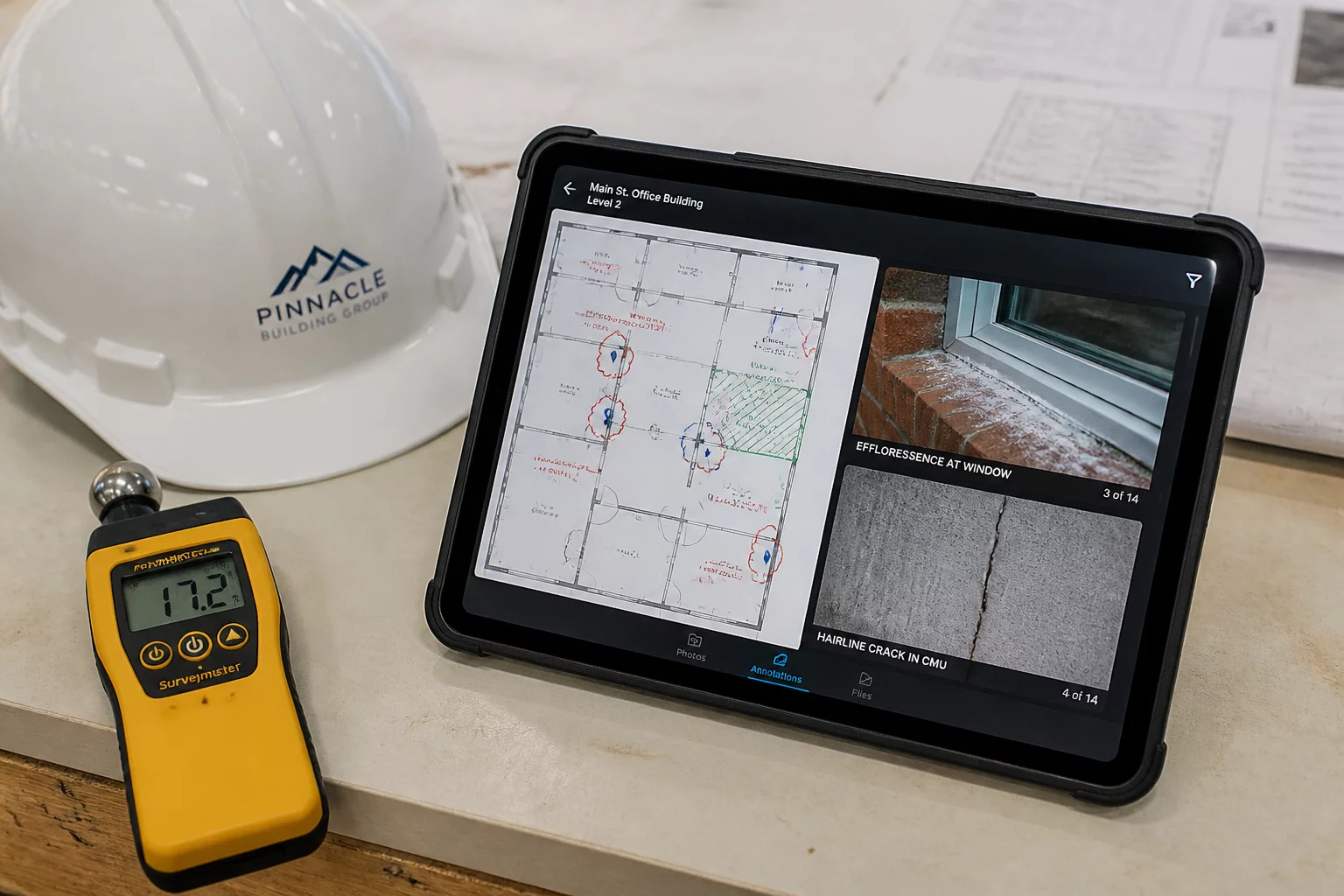
Initial field documentation categorized the west perimeter wall as a routine Category 2 water loss requiring two-foot flood cuts and in-place cavity drying. The baseline estimate reflected that assumption: standard gypsum removal, surface antimicrobial spray, and basic air movers. However, when the estimator utilized an illuminated macro lens to inspect the exterior stud pocket, high-resolution imagery captured micro-tears and extensive delamination across the continuous 6-mil polyethylene sheet.
That single photographic capture invalidated the premise that framing cavities could be dried passively from within the room. In moisture mitigation files, a torn vapor barrier shifts the physical boundary between interior air and unconditioned wall framing. What initially appeared to be a minor drywall patch transformed into a complex structural envelope repair impacting three distinct line-item clusters.
Download Scope Clarification Format
Ensure all line changes conform with standard desk review protocols.
02. The Three Scope Modifications Analyzed Dissecting How One Visual Proof Drives Interconnected Line Item Shifts
Insurance desk examiners routinely reject estimates when multiple scope revisions cite identical reference images without explicit causality. To prevent file rejection, the revision memo linked the single macro photo to three distinct trade activities, demonstrating that the failure of the vapor barrier mechanically necessitated each sequential operation.
-
1
Insulation Extraction Note: Changed from selective bottom trimming to complete floor-to-ceiling fiberglass batten removal because moisture had migrated along torn poly edges.
-
2
Vapor Retarder Note: Added full replacement allowance with acoustical sealant overlap, replacing the earlier scope omission of building envelope repair.
-
3
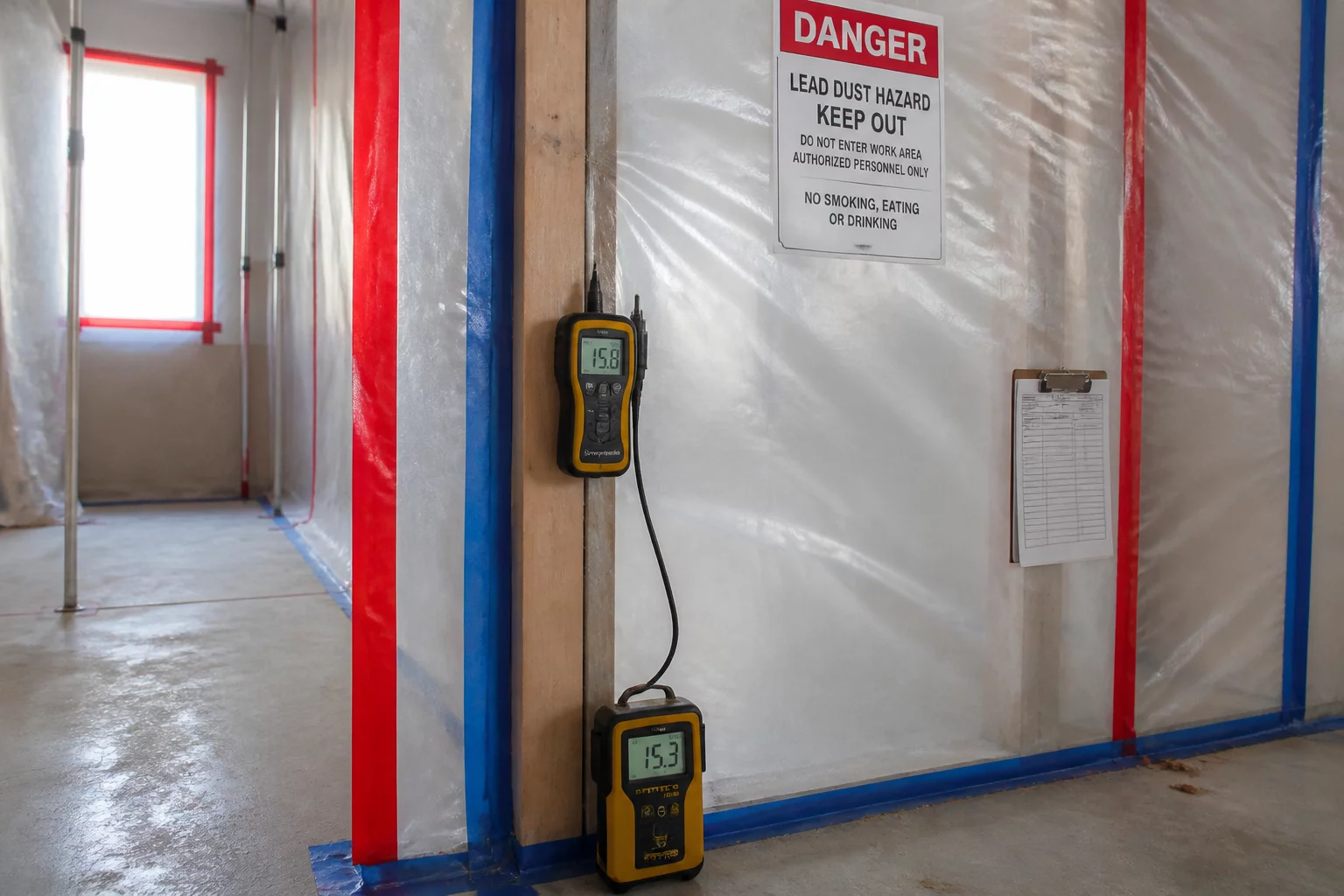
Containment Chamber Note: Upgraded from standard dust curtain to negative air pressure containment due to fiberglass particulate agitation during membrane extraction.
-
4
Cross-Referencing Rigor: Every changed line code referenced Photo ID #PH-103-04 with exact timestamp and stud cavity elevation coordinates.
“A single photographic detail can validate three revisions or provoke three audit rejections. The difference lies entirely in whether the narrative explains the structural relationship between the photo and each modified trade code.”
03. Preventing Carrier Supplement Resistance Synthesizing Photographic Metadata with Trade Code Annotations
When file examiners see three distinct operations added or expanded based on one uploaded file, automated auditing algorithms flag the entry for excessive scope growth. The estimator must anticipate this friction by creating an explicit dependency register inside the revision log notes. In case RR-103, the carrier auditor approved the entire supplement within 24 hours because the notes did not simply restate the image title; they established building science causation.
The entry specified that the vapor barrier failure allowed air infiltration from the unconditioned exterior wall, requiring positive thermal isolation before mechanical drying could stabilize framing studs. By connecting thermal dynamics directly to line-item quantities, the file converted a contested supplement into an undisputed technical necessity.