01. The Genesis of Bundled Revision Requests How convenient field grouping triggers immediate desk audit flags
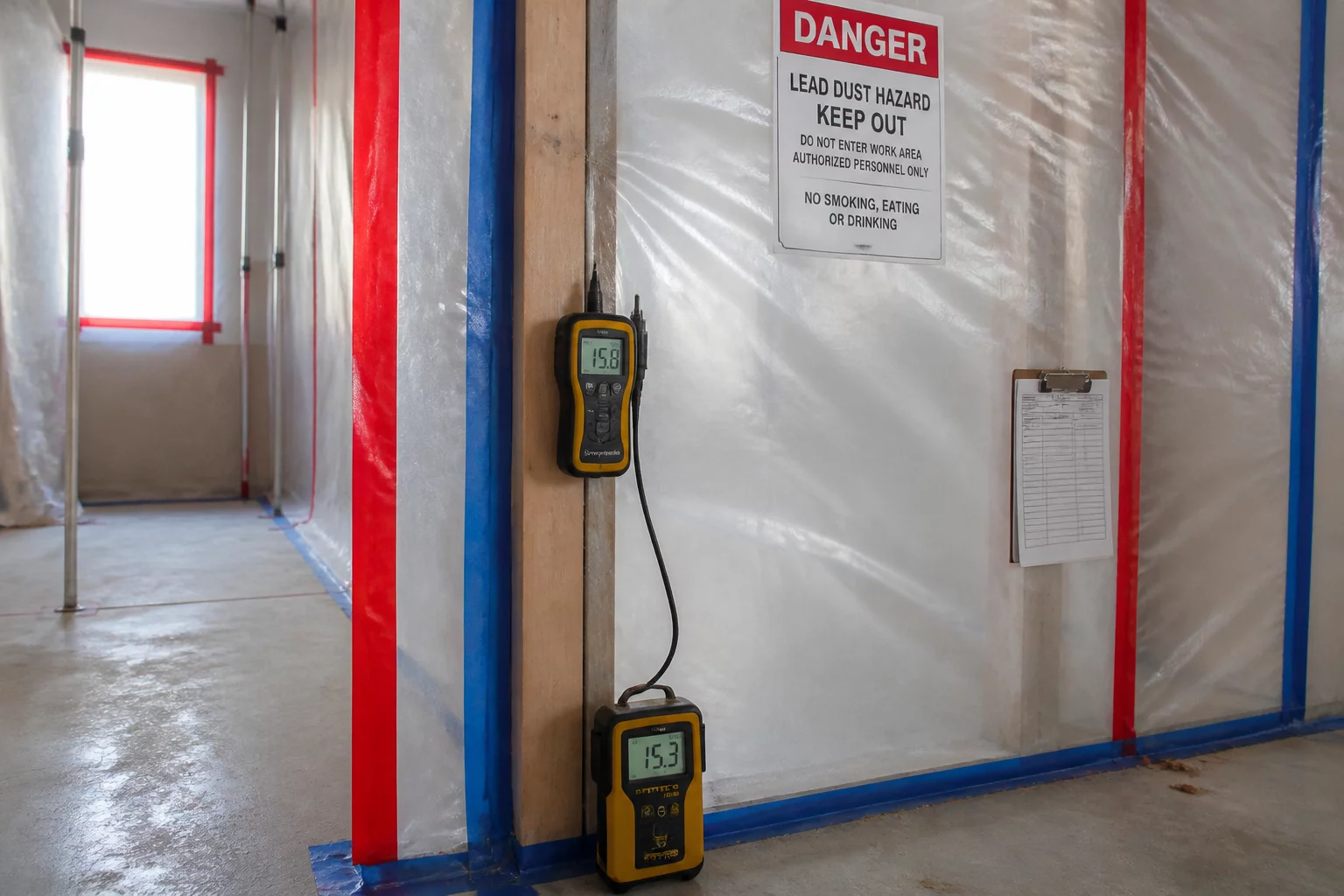
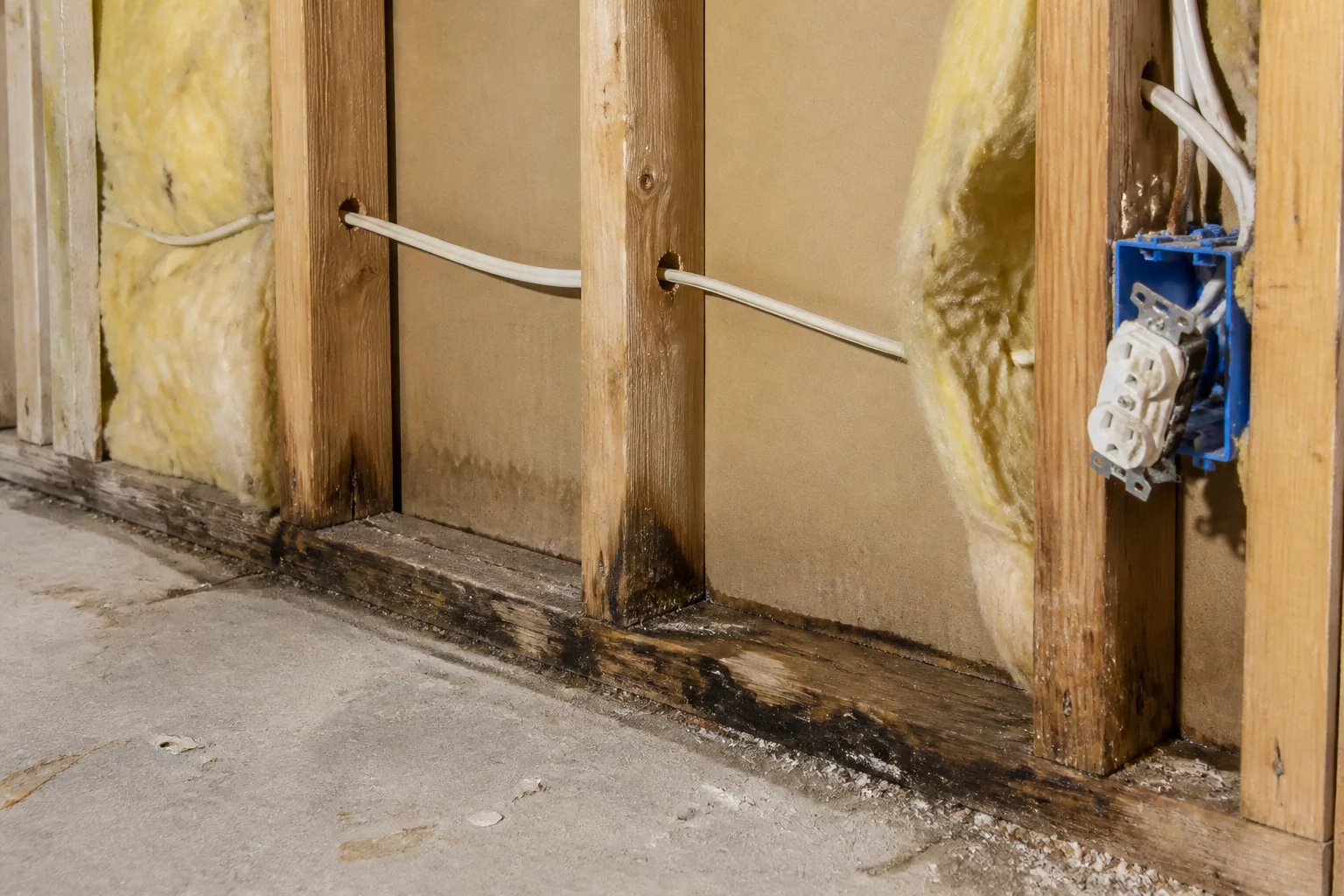
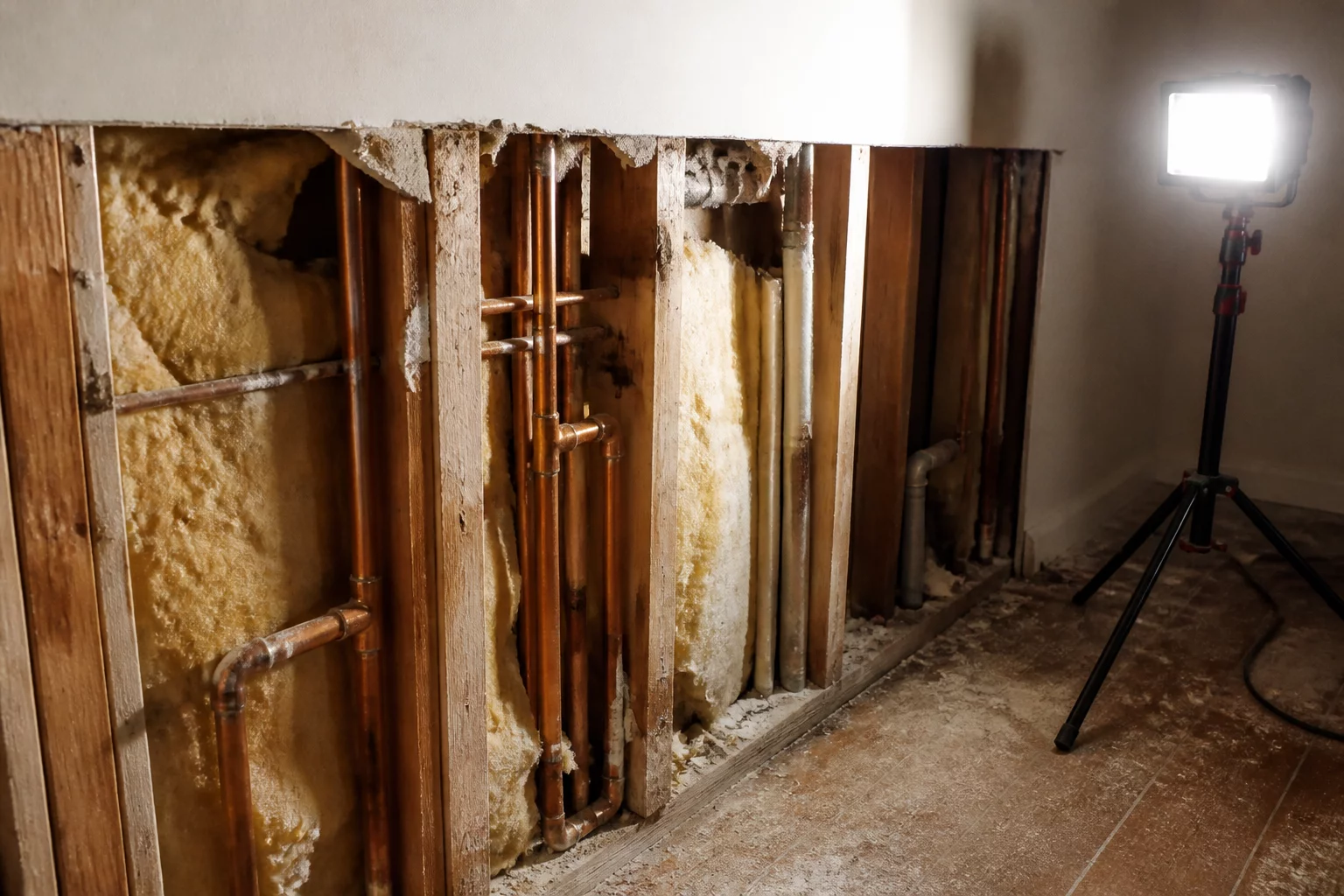
During the restoration of a multi-family residential building under claim file RR-108, field technicians uncovered a pinhole leak within an insulated partition wall. Rather than logging the diagnostic exploration, the plumbing solder repair, the soaked insulation extraction, and the gypsum wall restoration as four discrete workflow events, the project estimator bundled all actions into a single blanket revision line labeled simply as 'mechanical cavity restoration'. While grouping these tasks felt expeditious to the on-site team, the carrier desk audit team flagged the file within hours of upload.
The desk reviewer was unable to ascertain which portion of the requested delta stemmed from trade labor rates, how much square footage of wet insulation was condemned, or whether the drywall cut exceeded standard mechanical access parameters. Bundling disparate scopes under one omnibus entry strips away the itemized verification standard required by modern property estimating platforms. Without transparent breakdowns, reviewers default to rejecting the entire revision package rather than attempting to guess the underlying mathematical allocation.
Download Scope Clarification Format
Ensure all line changes conform with standard desk review protocols.
02. De-Bundling the Scope into Independent Trades Establishing discrete justifications for each structural alteration
Resolving case RR-108 required deconstructing the compound revision into three separate, self-contained trade entries. Each entry was supplied with its own baseline justification, supporting photo sheet, and unit measurement. The estimator divided the total claim adjustment into plumbing line access, insulation removal, and wall re-framing with drywall patching. Once separated, each trade item fell well within customary pricing thresholds and cleared automated insurer rules without friction.
-
1
Plumbing Access Isolation: Cut-out dimensions must reflect only the specific square footage required for torch or press-fit pipe clearance.
-
2
Insulation Extraction Boundary: Thermal imaging logs must confirm actual wet insulation boundaries rather than assuming total bay vacancy.
-
3
Drywall Surface Reconstruction: Separating demo waste fees from new sheet hanging and multi-coat taping prevents line-item overlapping.
-
4
Timestamp Correlation: Photo timestamps must correspond sequentially with each individual trade intervention on site.
“When three unrelated repairs share a single revision note, an adjuster cannot verify which trade drove the cost delta. De-bundling is not merely paperwork—it is forensic transparency.”
03. Implementing Structured File Handoffs Ensuring seamless verification across carrier audit desks
To prevent recurrent bundling errors, restoration operations must establish clear handoff checklists between field superintendents and desk estimators. Field personnel often perceive a water loss repair as one continuous physical event, whereas claims software treats each trade discipline as an isolated database entry governed by specific labor minimums and material codes. Documenting the work in three discrete stages during demolition ensures that the clerical record mirrors the actual physical inspection trail.
When case RR-108 was resubmitted with three separate revision notes—each mapped directly to its respective photo reference and moisture mapping log—the entire supplement was authorized in a single review cycle. Clear demarcation protects contractors from non-payment while providing adjusters with defensible audit documentation that withstands secondary reinsurance reviews.