01. De-Scoping Recovered Framing Without File Friction Distinguishing successful restorative drying from uncompleted work orders
Initial property damage appraisals prepared directly following sudden pipe failures or storm flooding frequently apply broad containment perimeters. Estimators understandably schedule adjacent hallway subfloors and partition baseplates for demolition pending invasive moisture testing. As advanced desiccant drying and directed warm-air injection systems operate over multiple drying cycles, dense structural timber assemblies frequently stabilize without physical deformation or cellular breakdown. When structural elements recover, sound professional practice requires removing those tear-out allowances from subsequent estimate drafts.
Simply zeroing out line items or deleting an entire sketch room without detailed revision commentary creates immediate red flags during carrier audit. Review examiners reviewing comparative versions often assume an unexplained deletion represents an accidental oversight or an incomplete repair scope. Explicitly documenting the technical rationale behind the subtraction confirms that the building substrate was preserved in accordance with ANSI/IICRC S500 standards, validating the integrity of the updated file.
Download Scope Clarification Format
Ensure all line changes conform with standard desk review protocols.
02. Substantiating Negative Variance with Empirical Data The mandatory evidentiary chain for line-item deletions
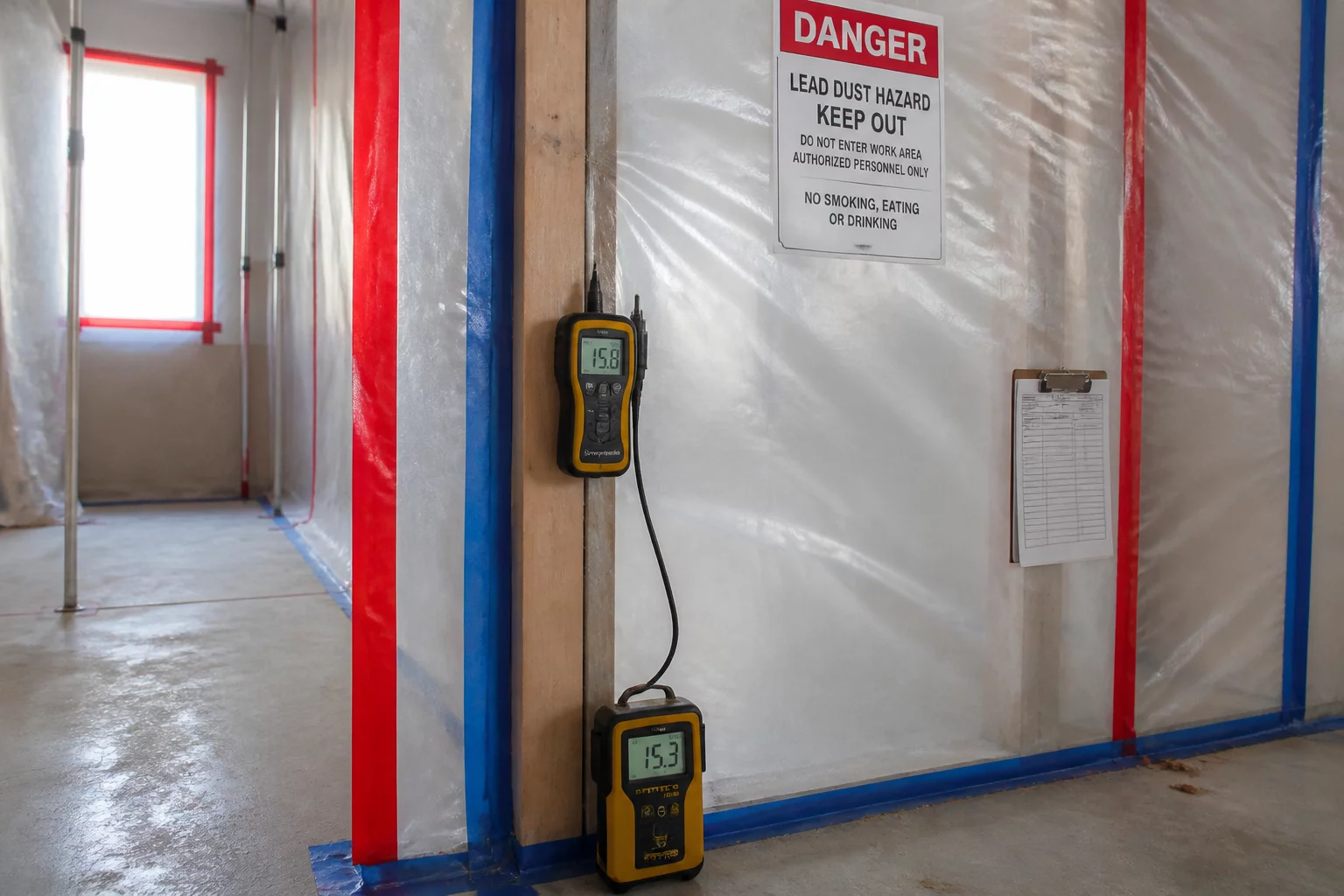
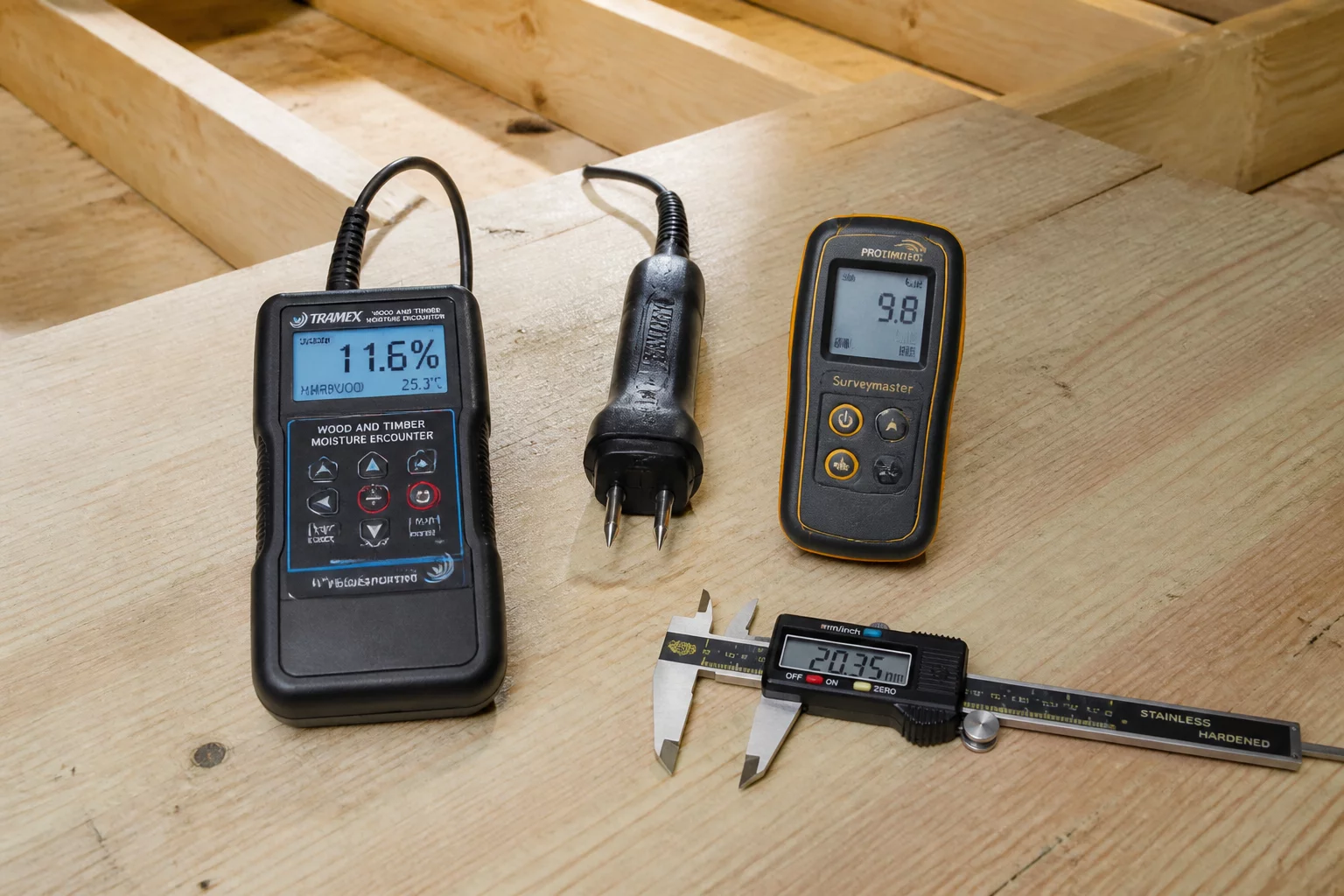
In Case RR-105, the preliminary reservation accounted for complete removal and reconstruction of 420 square feet of tongue-and-groove subflooring along the central ground-floor corridor. Following four continuous operational days of low-grain refrigerant dehumidification, intrusive multi-depth resistance pins verified that core wood moisture equivalent dropped to 11.2 percent, successfully aligning with unaffected baseline controls. By documenting this empirical recovery, the revision author deleted twenty-four line items while providing ironclad verification that eliminated subsequent desk review queries.
-
1
Baseline Control Calibration: Establish target moisture thresholds using unaffected structural assemblies within the same conditioned building envelope.
-
2
Continuous Psychrometric Logs: Maintain uninterrupted daily records of specific humidity, dew point, and grain depression proving progressive drying momentum.
-
3
Core Depth Resistance Probing: Deploy insulated pin probes deep into multi-layer joists and subfloors to verify internal cellular dry-standard achievement.
-
4
Formal Scope Deletion Ledger: Log explicit change notices linking every removed line item directly to the certified structural completion report.
“Controlled drying that successfully rescues framing eliminates anticipated demolition costs, but you must substantiate the recovery with moisture metrics or reviewers will suspect an uncompleted repair.”
03. Streamlining Handoffs and Ledger Transparency Standardized change narratives that build adjuster confidence
Transparent communication regarding removed areas establishes credibility that benefits the entire restoration project. When desk reviewers see proactive deductions accompanied by rigorous laboratory-grade documentation, scrutiny on adjacent legitimate supplement requests decreases dramatically. Project estimators should position negative scope adjustments at the very beginning of the revision memorandum, highlighting both the monetary reduction and the technical evidence that made the salvage possible.
Every revision record should adopt a uniform entry structure: identify the specific room label, list the deleted line item sequence, reference the diagnostic validation date, and cite the lead technician's credential ID. Standardizing this notation transforms a potentially contentious estimate subtraction into an objective demonstration of accurate, ethical, and defensible scope management.