
01. The Operational Cost of Vague Handoff Notes Why ambiguous contractor revisions cause immediate file pushback and audit friction
In property restoration claims, an estimate revision submitted without structured contextual notes enters an immediate procedural limbo. File examiners at carrier desk review stations process dozens of complex files daily, relying on stringent audit rules engines to validate line adjustments. When a revision simply states that drywall or insulation quantities increased without articulating the specific physical cause, examiners cannot legally authorize payment under carrier guidelines.
A professional handoff note acts as a legal and forensic bridge between the field technician who witnessed the hidden damage and the desk auditor who never visits the property. By framing adjustments around verified structural discoveries rather than casual summaries, estimators eliminate repeated clarification loops, carrier dispute delays, and arbitrary scope reductions.
Download Scope Clarification Format
Ensure all line changes conform with standard desk review protocols.
02. Core Architecture of an Examiner-Ready Handoff Four required documentation elements for every line adjustment
Every line revision must provide four distinct data points so that any desk examiner can immediately validate the change without requesting follow-up calls or supplementary walk-throughs.
-
1
Discrete Trigger Identification: Identify the exact physical discovery or structural condition that prompted the scope revision rather than using generic project updates.
-
2
Exact Room and Elevation Coordinates: Specify the exact perimeter boundaries, wall faces, or ceiling assemblies where measurements departed from original projections.
-
3
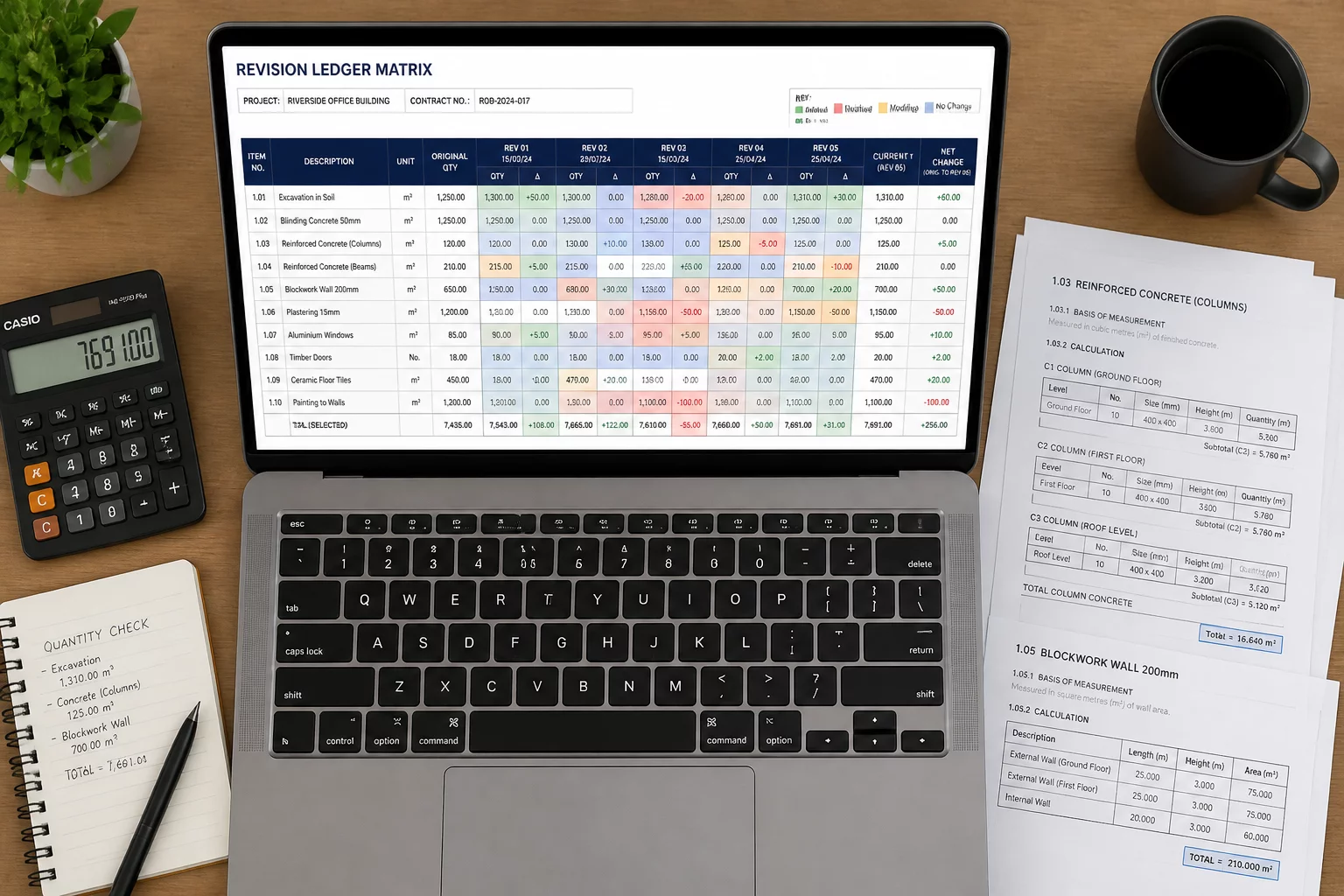
Direct Line-Code Cross-Reference: Link every unit change to an individual price code rather than bundling multiple trades into general labor line items.
-
4
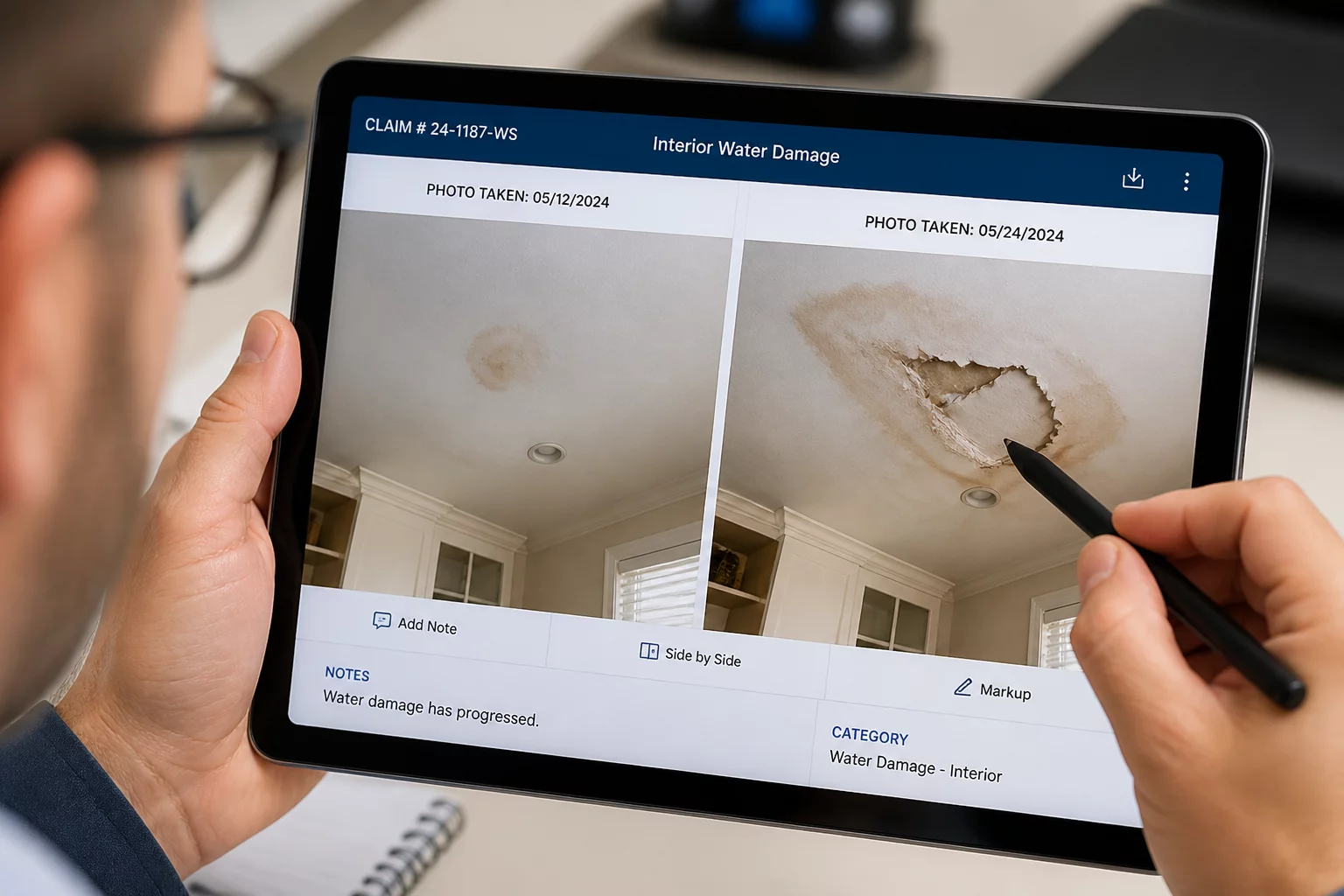
Corroborating Evidence Index: Reference matching timestamped photos, moisture readings, or engineer memos directly in the handoff register.
“Examiners do not reject supplements because the physical damage was unwarranted; they reject them because the administrative trail fails to prove why the original scope was inadequate.”
03. Navigating Automated Carrier Rules Engines Overcoming algorithmic variance filters before human review occurs
Modern insurance carrier platforms utilize automated audit filters that evaluate revision percentage deltas against historical regional norms. If a revised estimate triggers an automated deviation threshold without corresponding standardized reason codes, the file is routed to third-party audit queues, prolonging approval timelines by weeks.
Employing structured handoff notes that map directly into accepted carrier variance taxonomies satisfies algorithmic checks on initial ingest. When examiners see uniform categorization and explicit documentation benchmarks, reviews transition from contentious scrutiny to routine file endorsement.