01. The Mechanics of Revision Bundling Why Omnibus Estimate Adjustments Trigger File Audits and Carrier Rejections
When field conditions force multiple unexpected changes during property mitigation or reconstruction, estimators often group diverse revisions under a single monolithic request. Combining plumbing discovery, moisture barrier replacement, and sheetrock expansion into one blanket note creates immediate suspicion during technical desk reviews. Carrier auditing algorithms flag disproportionate single-revision spikes, triggering automatic line-by-line scrutiny and prolonged payment delays.
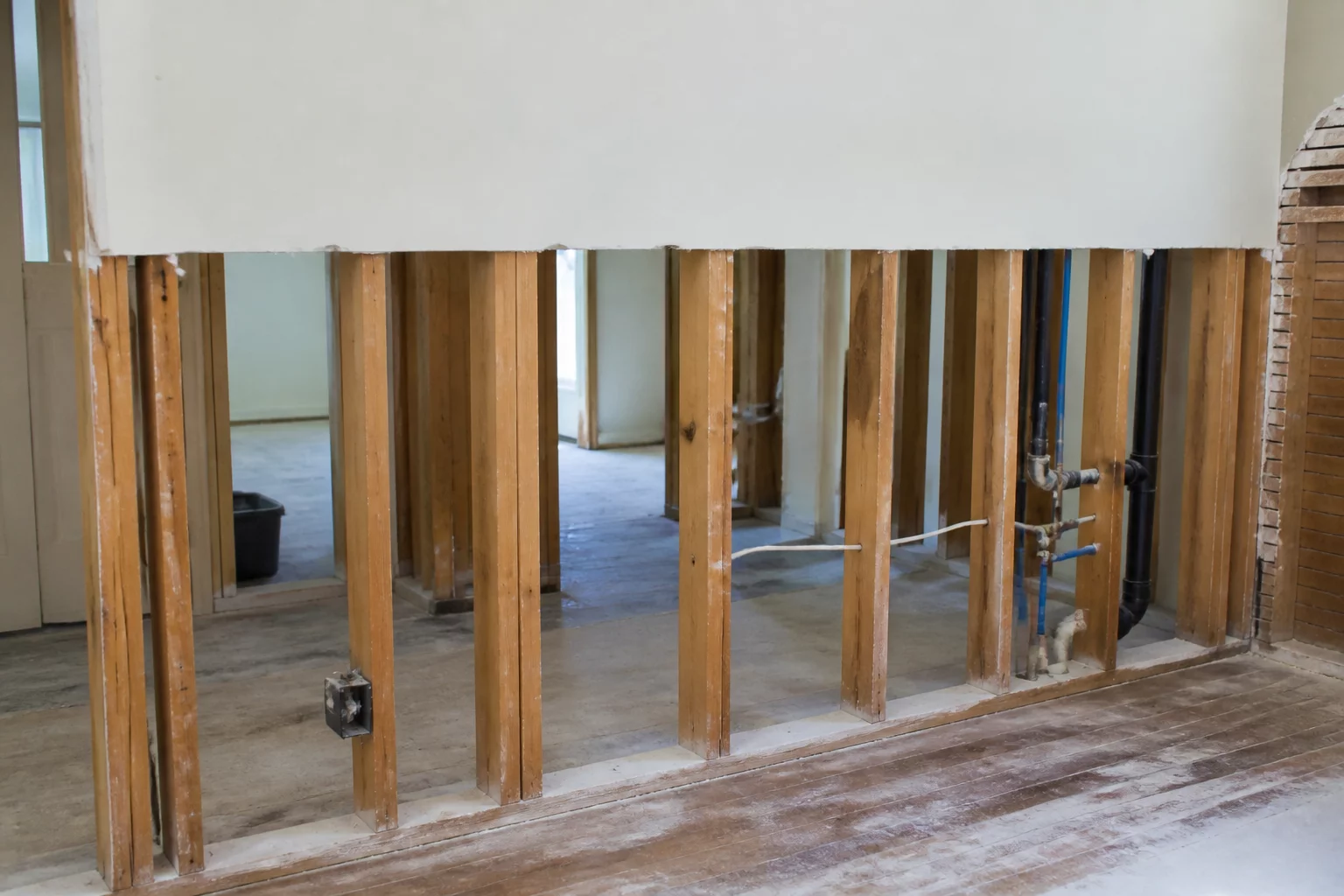
Isolating disparate revisions means systematically dismantling bundled line changes into their elemental causal origins. A water intrusion discovery beneath a cabinet base involves separate structural, mechanical, and aesthetic components. When each trade alteration possesses an independent evidentiary anchor, adjusters approve valid demolition items immediately even if secondary trim profiling requires further pricing documentation.
Download Scope Clarification Format
Ensure all line changes conform with standard desk review protocols.
02. De-Bundling Architecture A Four-Stage Isolation Protocol for Complex Restoration Supplements
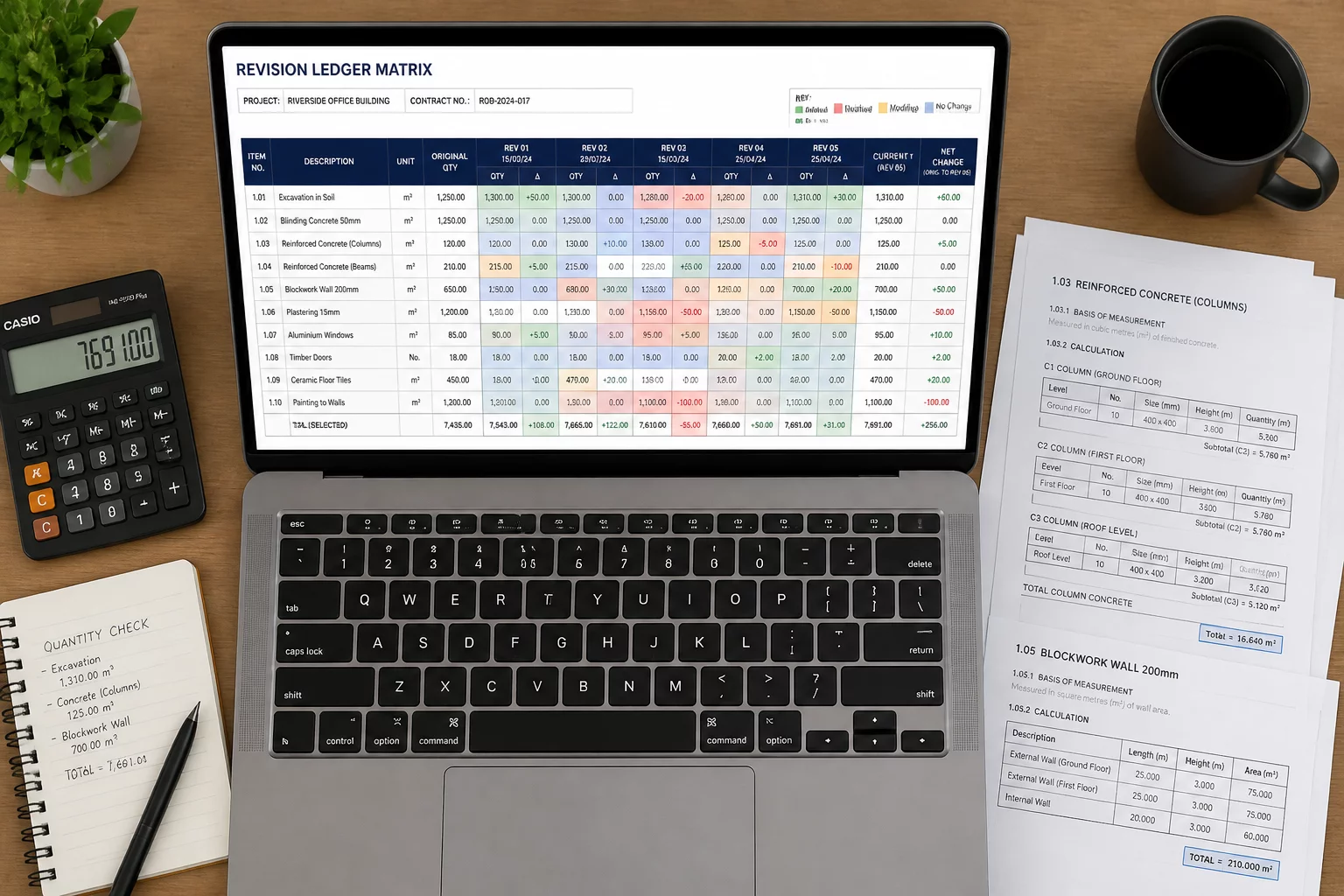
Executing clean multi-revision isolation requires disciplined file architecture before submitting line modifications in Xactimate or CoreLogic. Rather than allowing distinct trades to bleed into a collective room adjustment, each revision vector demands an individualized audit ledger entry with distinct photographic backing.
-
1
Causal Segregation: Attribute each revision to an isolated field trigger, separating unforeseen physical discovery from code compliance or pricing recalculations.
-
2
Trade Partitioning: Maintain clear separation between structural carpentry, electrical rerouting, insulation allowances, and finish coats.
-
3
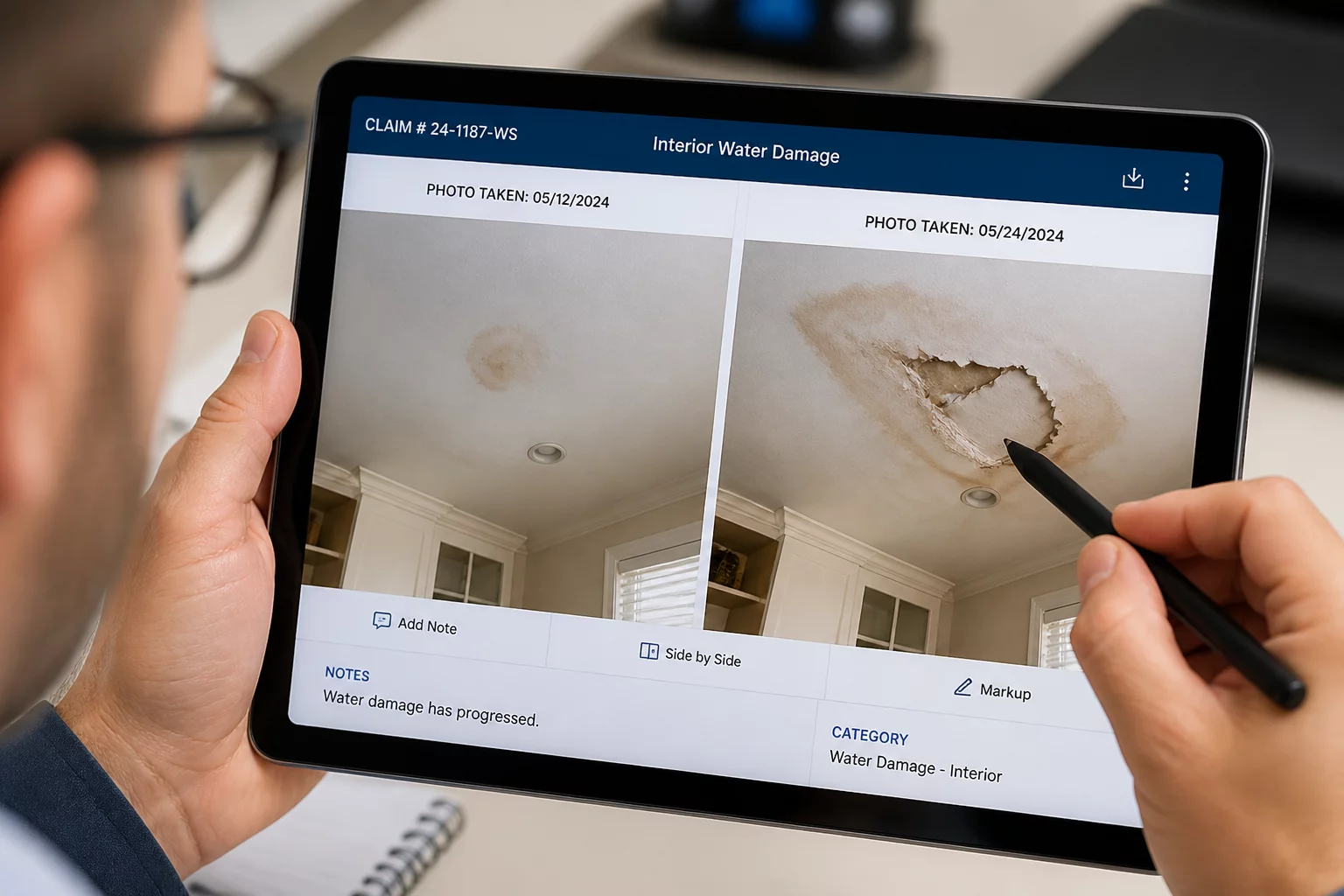
Photographic Isolation: Anchor each revised line item to specific timestamped images showing the exact boundary condition before alteration.
-
4
Independent Cost Basis: Calculate labor minimums, tear-out allowances, and debris disposal independently for each sub-scope alteration.
“When multiple revision reasons are compressed into a single supplement note, the entire package becomes as fragile as its weakest justification. Isolating them protects legitimate work from collective rejection.”
03. Desk Review Validation Pathways Streamlining Adjuster Approval Through Granular Scope Separation
Insurance carrier desk reviewers operate under strict production quotas, evaluating dozens of revision claims daily. Presented with an omnibus revision that intertwines HVAC duct cleaning with subfloor replacement, the reviewer frequently rejects the complete submission pending re-inspection. By contrast, structured revision isolation presents discrete, bite-sized decisions. The reviewer swiftly approves the subfloor tear-out while placing only the questioned duct cleaning into pending verification.
Maintaining isolated line justifications preserves the historical narrative of the property loss. When third-party forensic engineers or subrogation attorneys examine the electronic claim folder months later, the exact sequence of technical discovery remains transparent. Clear boundaries between initial emergency remediation, intrusive diagnostic access, and finish rehabilitation guarantee that audit trails withstand regulatory scrutiny.