
01. Operational Triggers for Secondary Reviews When Follow-Up Forensic Inspections Override Initial Scopes
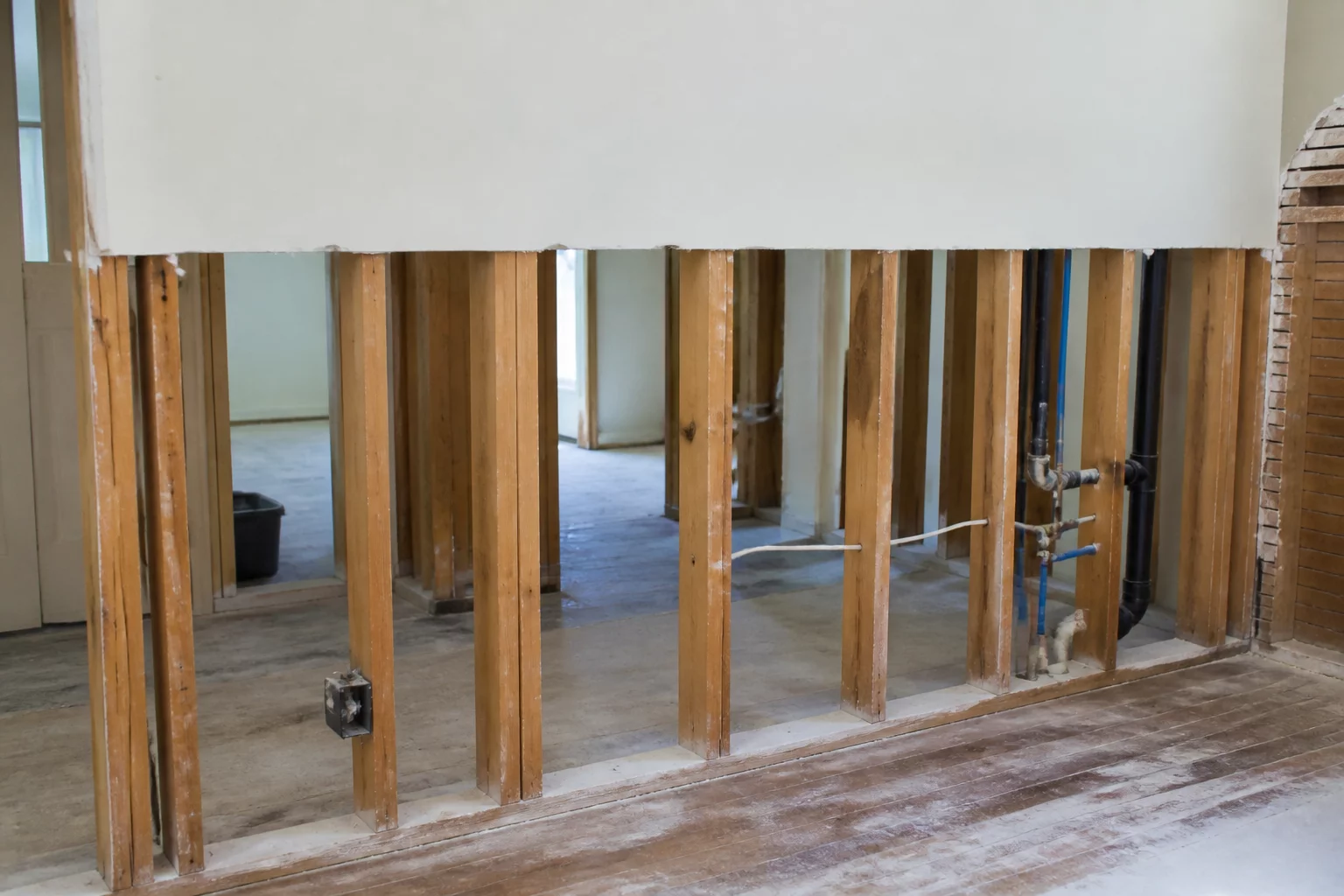
Secondary physical evaluations become necessary when primary field reports contradict physical evidence, hidden structural deflection occurs, or carrier audit departments dispute moisture boundary declarations. In high-value losses, standard visual assessments by initial adjusters frequently fail to reveal subterranean settling, concealed wall cavity shear failures, or micro-fractured framing members. A second inspector audit introduces independent engineering rigor into the claims ledger, establishing defensible physical proof before supplementary repair items enter formal negotiation.
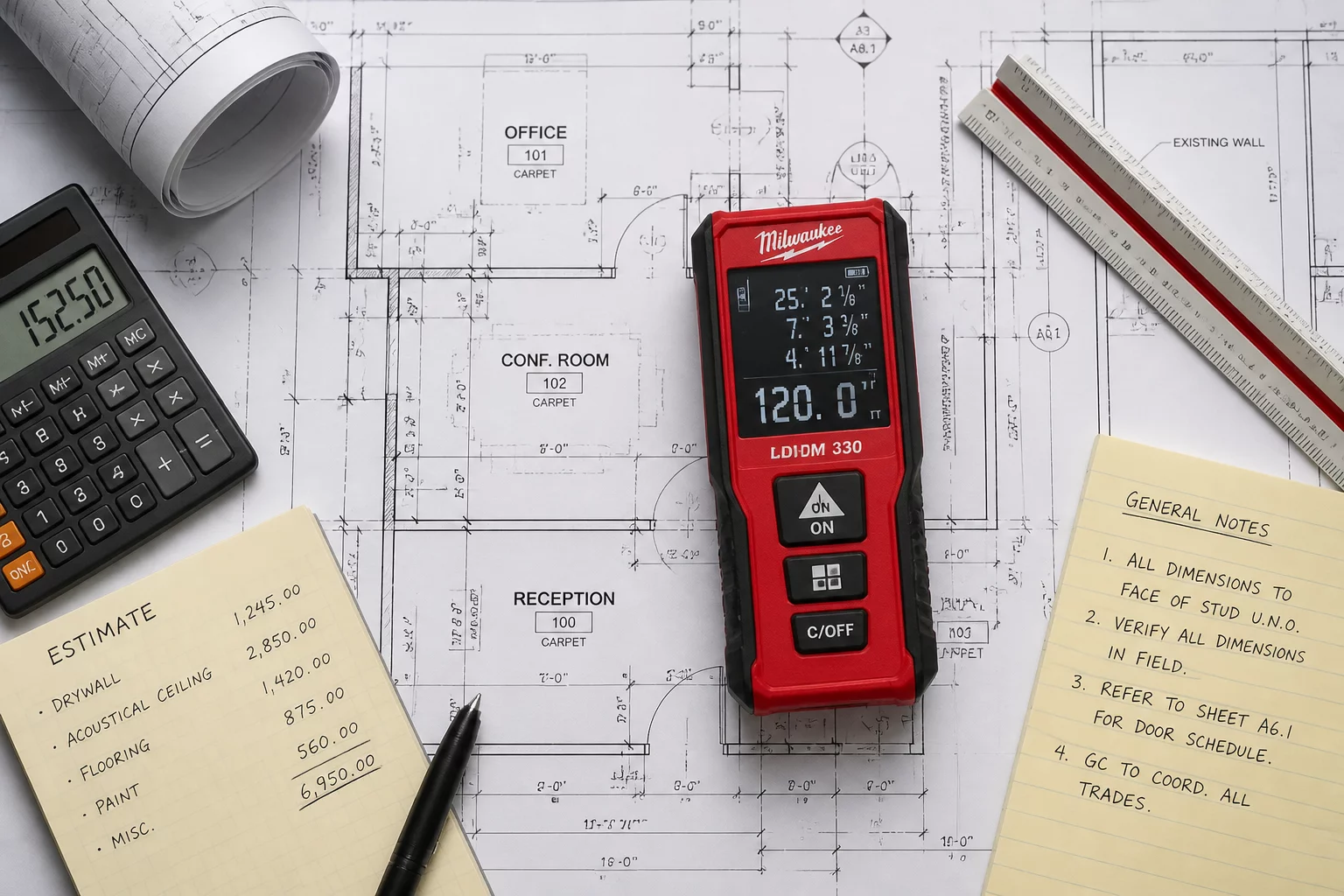
Integrating this secondary data demands disciplined bookkeeping. Estimators cannot simply overwrite earlier entries without recording clear chain-of-custody documentation. The revised Xactimate schedule must distinguish original findings from supplementary engineer confirmations, identifying which specific diagnostic tools or destructive openings authorized the expansion or contraction of work perimeters.
Download Scope Clarification Format
Ensure all line changes conform with standard desk review protocols.
02. Structural Ledger Alignment Procedures Harmonizing Disparate Inspector Notes into Defensible Line Items
When two inspection reports present conflicting observations regarding wall cavity integrity or required framing spans, desk examiners examine measurement techniques, diagnostic equipment calibration, and access depth. The reconciliation framework isolates each disputed trade code, cross-referencing field photo timestamps against diagnostic readings to establish clear chronological continuity across both jobsite visits.
-
1
Calibrated Moisture Thresholds: Secondary pin-probe readings exceeding 18% moisture content at sill plates supersede earlier non-penetrating surface evaluations.
-
2
Framing Deflection Tolerances: Laser level differentials surpassing L/360 justify structural sistering rather than superficial cosmetic drywall taping.
-
3
Sub-Surface Opening Traceability: Each expanded line must link directly to an identified inspection test port or exploratory demolition coordinate on the plan.
-
4
Examiner Concurrence Register: Both primary technician notes and senior engineering logs must be appended as synchronized exhibits within file attachments.
“A secondary audit is not an indictment of initial field work; it is the forensic calibration that transforms contentious supplements into incontestable settlement realities.”
03. Preventing Audit Desk Rejections Formatting Variance Notes for Immediate Carrier Endorsement
Insurance audit departments routinely reject revision packages when secondary inspector scopes appear out of context or inflate costs without explanatory narratives. Review algorithms flag substantial percentage shifts between initial reserves and revised demands unless the line revision specifically references the engineer credential, report date, and exact structural code clause governing the alteration.
By categorizing changes into discrete line-item justifications—differentiating material upgrades, extended teardowns, and safety stabilization—the estimator eliminates suspicion of scope padding. Including side-by-side photo matrices comparing initial baseline conditions with second-inspection revelations guarantees smooth file signoff during final review passes.