01. Empirical Testing Over Speculative Tear-Out Transitioning from presumptive damage envelopes to verifiable structural facts
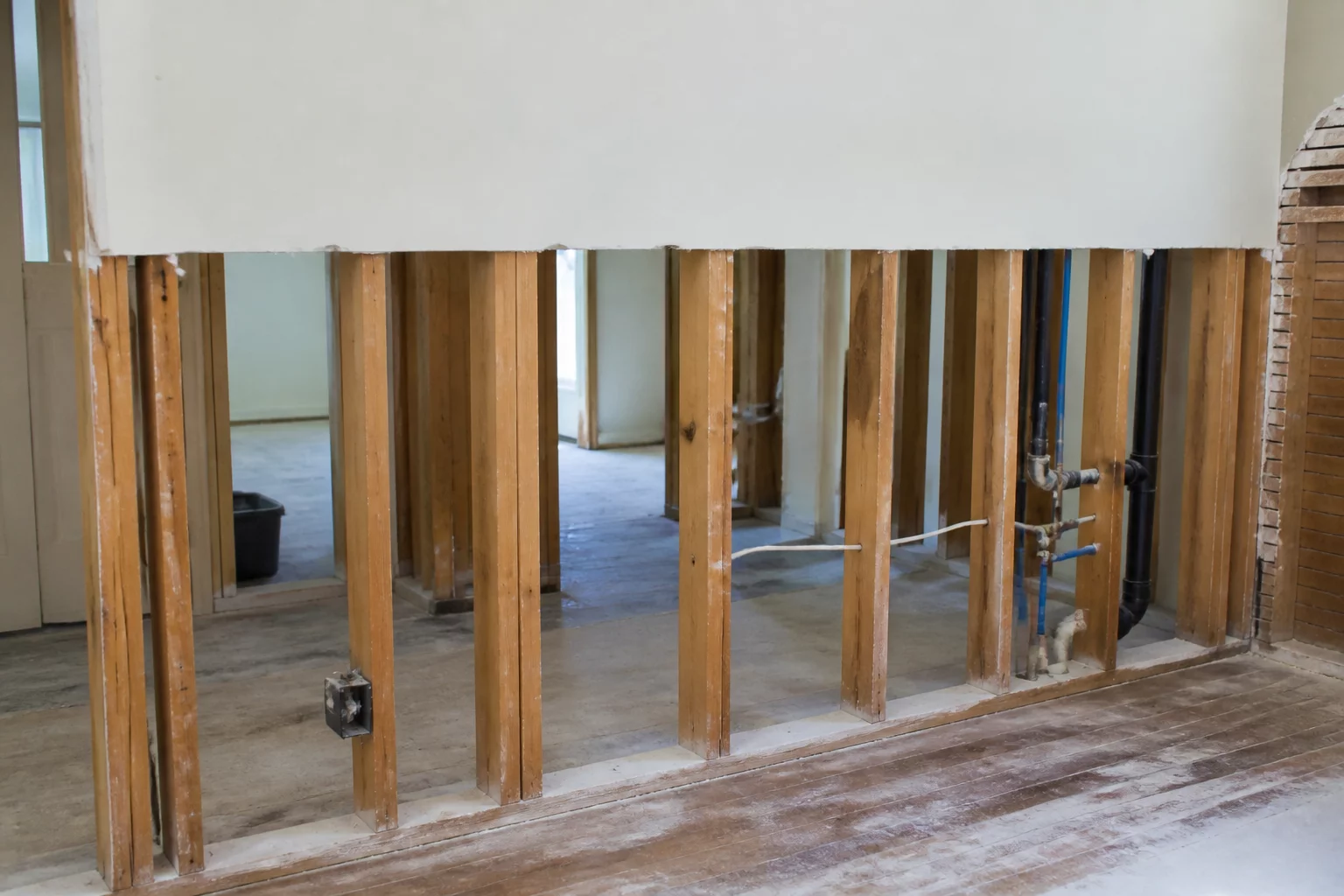
Initial emergency restoration estimates frequently project full-height drywall replacement across continuous shared wall partitions. Estimators assume concealed framing members absorbed lateral capillary moisture throughout the wet loss duration. When specialized destructive core sampling opens isolated observation apertures, empirical measurements frequently establish that structural framing remained dry beneath undisturbed moisture barriers.
Reducing established repair parameters requires an organized audit ledger. Arbitrary subtractions trigger immediate carrier pushback or subcontractor dispute disputes. A reduction must trace directly from photographic test incisions, documented dry standard comparisons, and localized moisture probe coordinates recorded directly in the project file.
Download Scope Clarification Format
Ensure all line changes conform with standard desk review protocols.
02. Technical Evidentiary Criteria for Deletions Standardized benchmarks required to defend retracted wall and floor items
When adjusting an initial estimate downward, review examiners demand exact technical proof before authorizing line item reductions. Submitting a blanket perimeter decrease without point-by-point data points leads to repeated revision cycles. Estimators must validate each reduced linear foot using four standardized testing benchmarks.
-
1
Core Sampling Thresholds: Controlled test openings cut every 4 linear feet along base wall planes showing intact framing backings.
-
2
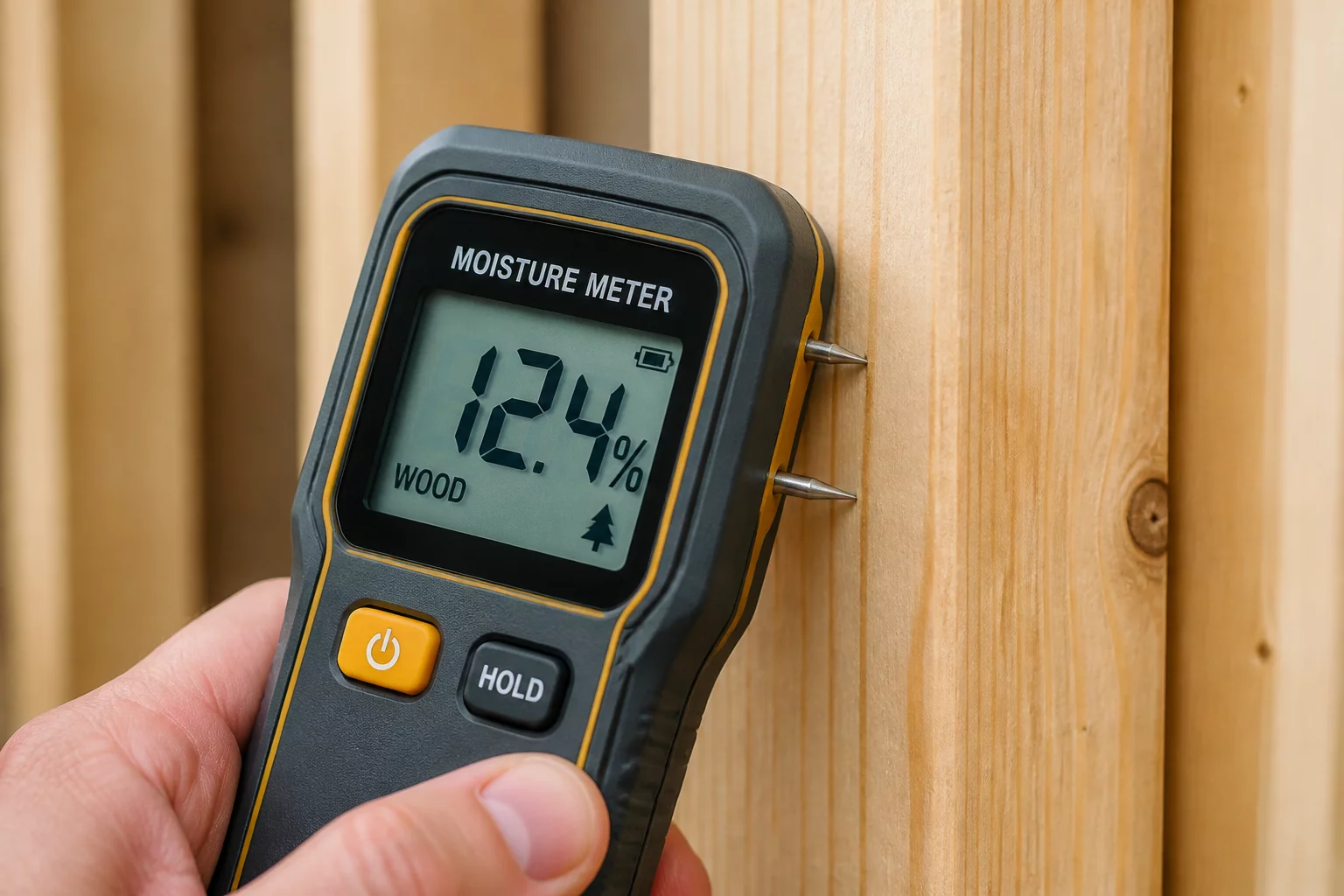
Calibrated Moisture Pin Logs: Wood moisture equivalent values recorded below 14% matching unaffected baseline reference rooms.
-
3
Partition Threshold Limits: Visual borescope inspection inside cavity dead-spaces confirming insulation batts remain dry and lofty.
-
4
Salvage Reconciliation Records: Documented preservation of millwork, high-end baseboards, or sound structural sheathing in scope log.
“Scope reduction without intrusive verification is an arbitrary cut; backed by core probe documentation, it becomes an undeniable structural conclusion.”
03. Recording Deletions in Xactimate Line Items Maintaining transparent revision history without losing original claim baselines
In professional revision workflows, estimators should avoid quietly overwriting earlier quantities without formal line notes. In software platforms like Xactimate, when a 24-linear-foot framing tear-out is decreased to 8 linear feet, the revision reason must clearly reference the destructive inspection date and test cavity ID. This transparency prevents field managers from suspecting an unapproved concession.
The file record must maintain clear trade demarcation. Deleting drywall demolition does not necessarily eliminate surface texture matching, localized prime painting, or electrical outlet testing. Document each isolated item in the change ledger to protect the overall integrity of the restoration schedule.