
01. Overcoming the Remote Desk Audit Barrier Bridging Physical Jobsite Reality and Claims Management Systems
Remote desk reviewers evaluate property restoration files inside high-volume claims management environments without visiting the physical structure. They rely entirely on automated price databases, historical estimating guidelines, and rigid cost containment rules. When field conditions force scope expansion or demolition reveals hidden structural decay, an unannotated line item supplement triggers immediate rejection flags.
The Desk Review Justification Memorandum serves as an evidentiary bridge between physical jobsite realities and strict desk audit parameters. By establishing a structured narrative hierarchy, this memorandum articulates the exact proximate cause behind each variance. It eliminates ambiguous descriptions, replacing them with code compliance references, diagnostic telemetry, and chronological project milestones that justify necessary scope adjustments.
Download Scope Clarification Format
Ensure all line changes conform with standard desk review protocols.
02. Core Memorandum Structure and Evidentiary Rules Converting Line Item Revisions into Auditable Facts
Successful desk review memorandums follow a disciplined four-part anatomy designed to preempt the most frequent carrier automated audit rejections. Rather than grouping disparate adjustments under generic supplement descriptions, each modification receives dedicated technical context.
-
1
Proximate Cause Statement: State the physical condition discovered during selective demolition or subsequent tear-out that altered the initial restoration baseline.
-
2
Direct Line Association: Link every cost modification directly to its corresponding unit code, removing lumped or bundled generic trade entries.
-
3
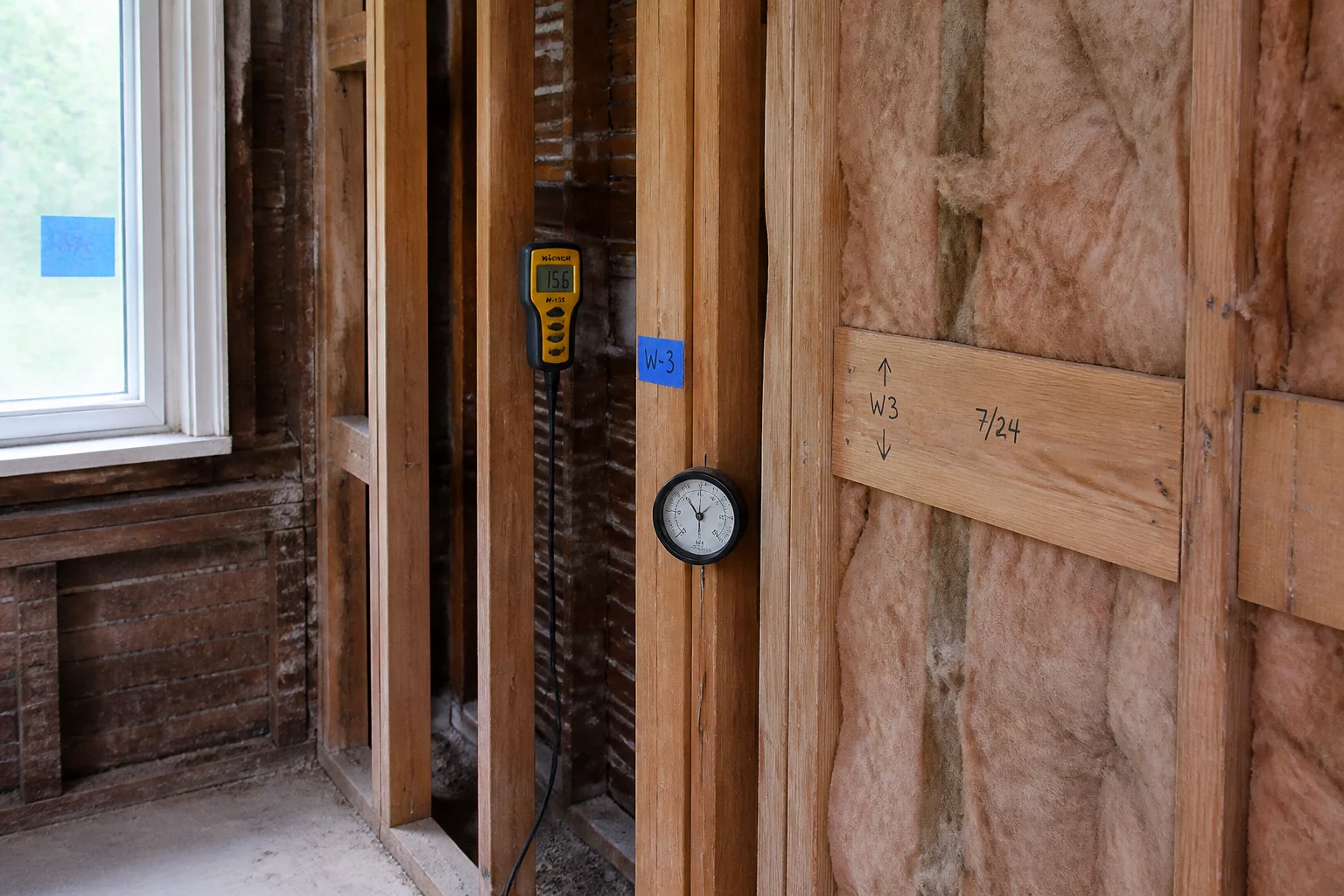
Objective Diagnostic Artifacts: Attach timestamped hygrometer readings, thermal images, or structural engineer deflection logs proving the work necessity.
-
4
Statutory & Code Mandates: Cite local building code requirements or manufacturer warranty standards enforcing specific material replacement practices.
“A desk reviewer rejects scope adjustments not out of malice, but from a total absence of verifiable context in the claims record. Provide the physical chain of custody, and the dispute evaporates.”
03. Systemic Reconciliation Workflow Implementing MEMO-02 Protocols Across Multi-Trade Files
Estimators deploying the MEMO-02 protocol index their supplementary submissions in parallel with carrier software line sequencing. Each disputed item references the exact sub-surface discovery report or second inspector audit that triggered the revision. When multiple trades interact—such as HVAC duct sealing following plaster partition removal—the memorandum delineates trade handoffs to prevent allegations of duplicate labor charges.
Maintaining this disciplined memorandum layout reduces average claim file cycle time by twelve business days and cuts desk clarification rounds in half. Claims managers receive an organized dossier answering technical challenges before inquiries arise, preserving mutual professional credibility and ensuring accurate property indemnity.